Shamiram
1 / 4
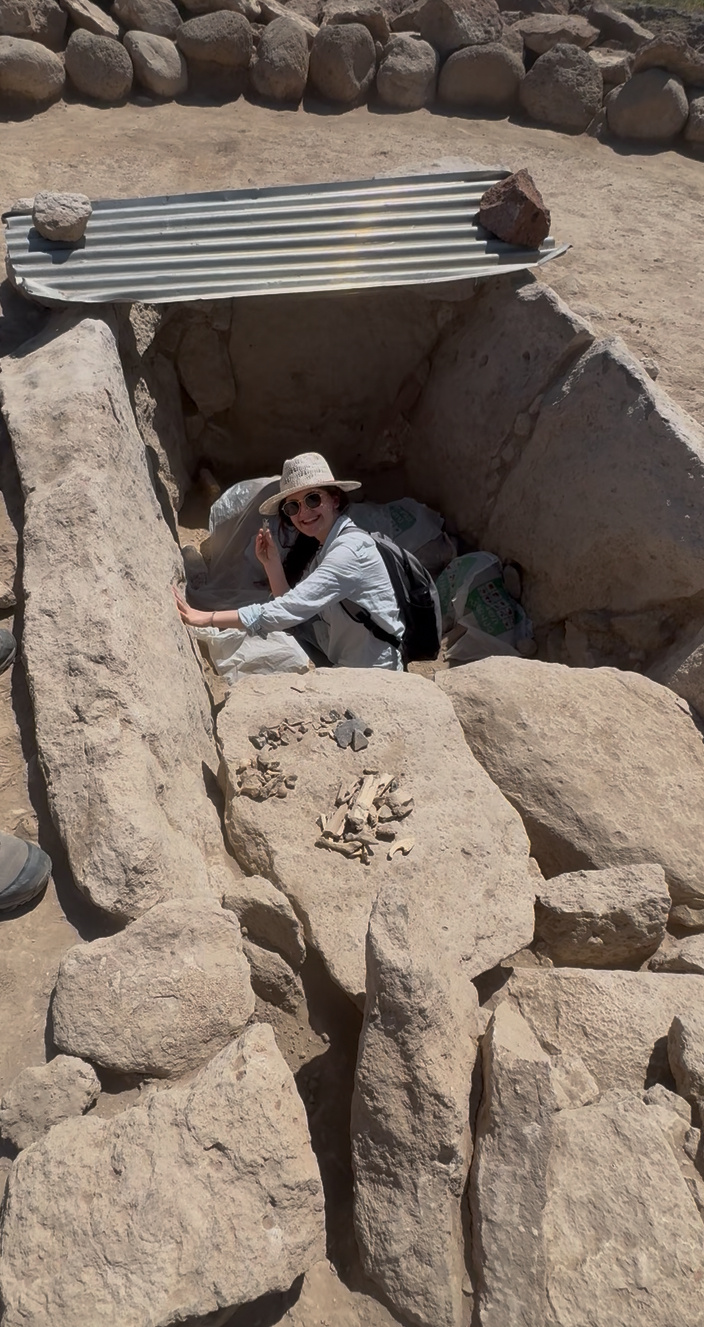
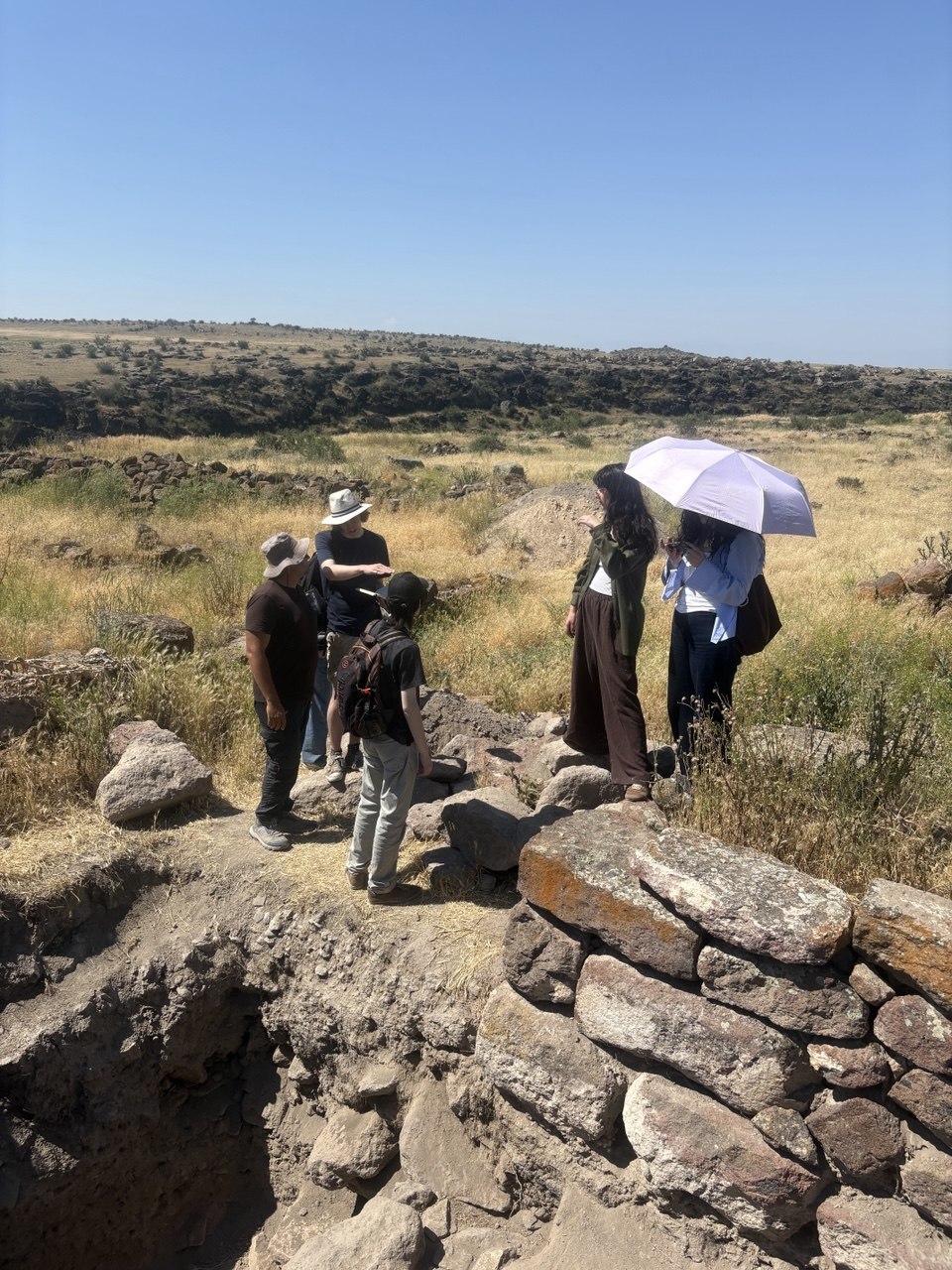
A full day hosted by the Armenian-Italian Archaeological Mission for a hands-on day in the eld and discover the methods behind sound archaeological research: reading stratigraphy, documenting and classifying nds, and turning every wall and potsherd into evidence for reconstructing communities from the Iron Age to the medieval period.
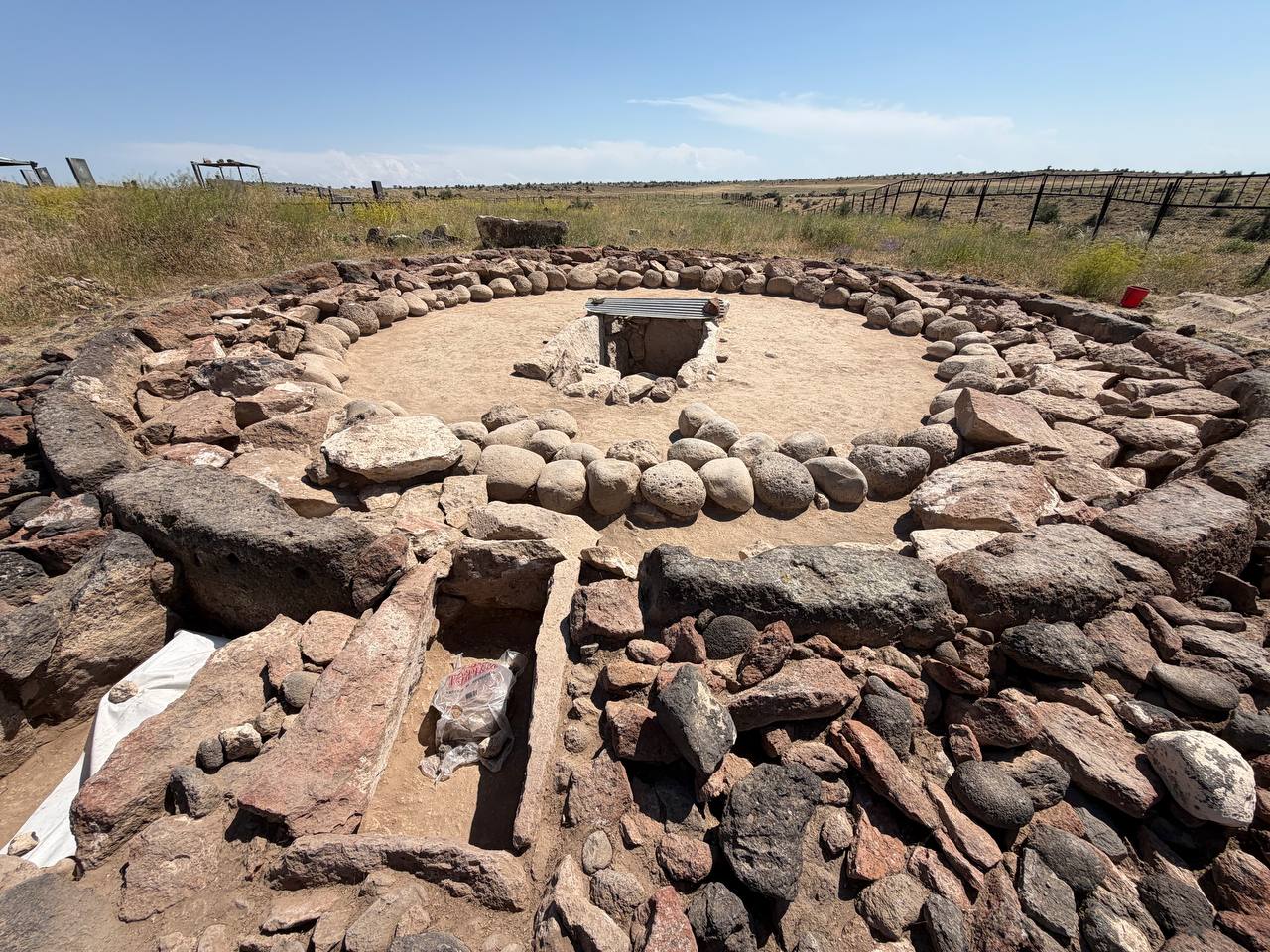
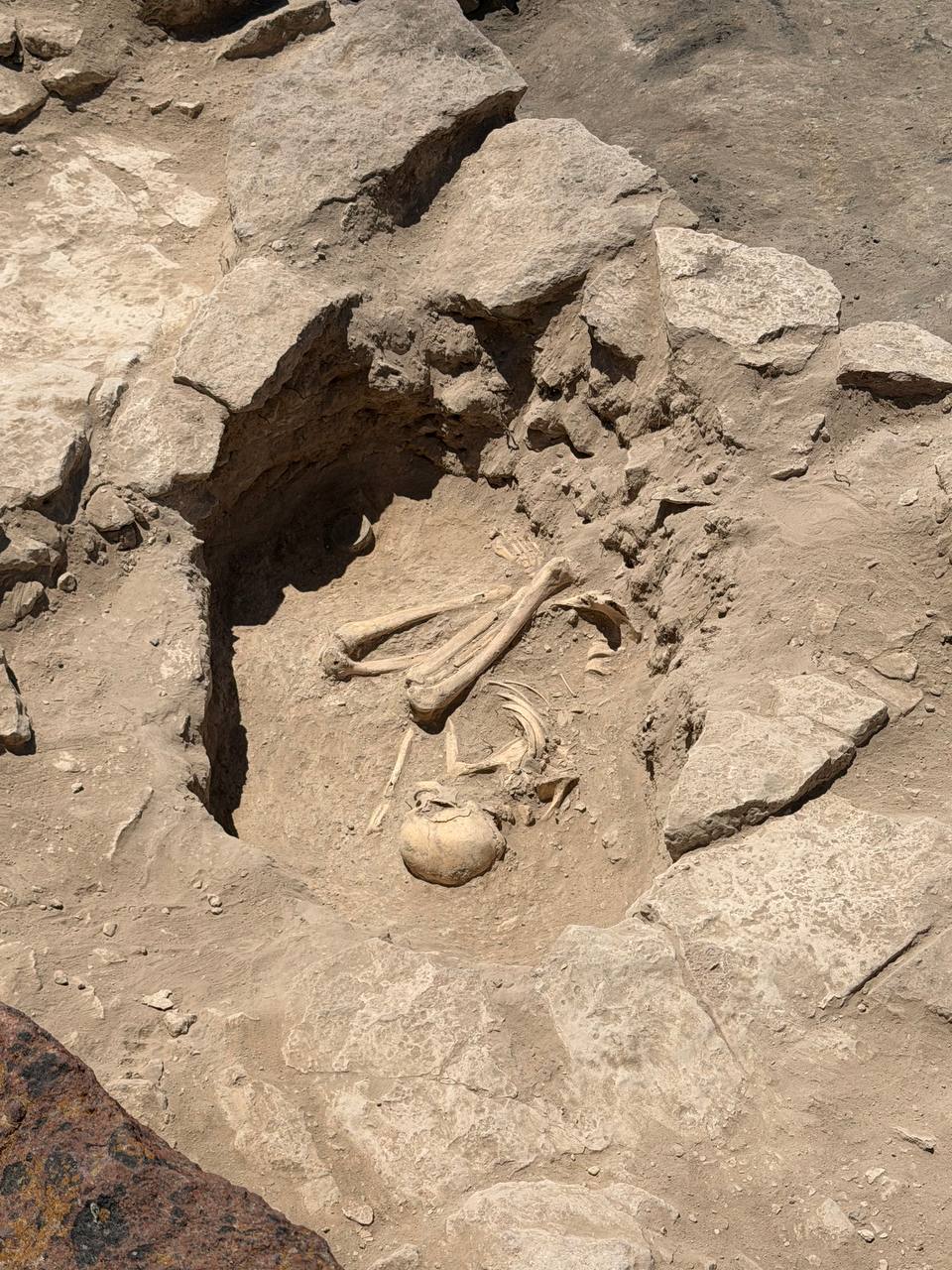
One-day field workshop at the Shamiram archaeological site in Armenia’s Aragatsotn region, within the framework of the European Heritage Hub. The workshop brought six students into the heart of a working excavation, offering them a first-hand encounter with archaeological research as it actually unfolds.
The Shamiram site is one of the largest and most complex fortified settlements in central Armenia, defined by at least six lines of walls distributed across a broad rocky plateau. Excavations are conducted by the Armenian-Italian Archaeological Mission, directed by archaeologist Roberto Dan (ISMEO) together with Varduhi Melikyan (Institute of Archaeology and Ethnography NAS RA). Recent campaigns have brought to light a monumental fortification system, walls, towers, and buttresses, attributed to the late phase of the Kingdom of Urartu, as well as evidence of the long life of the settlement, from the Iron Age through the Orontid and Artaxiad periods and into medieval times.
Galleria
Materiali
-
b60214ef-SIREH_2-1.pdf
Poster of the SHAMIRAM workshop